What to do with contaminated waste left in W7 properties
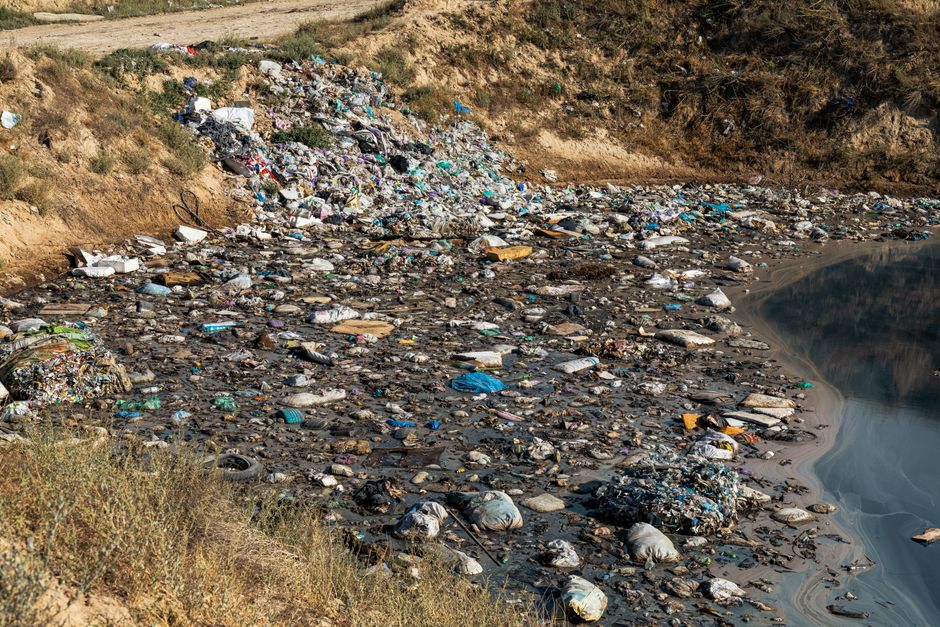
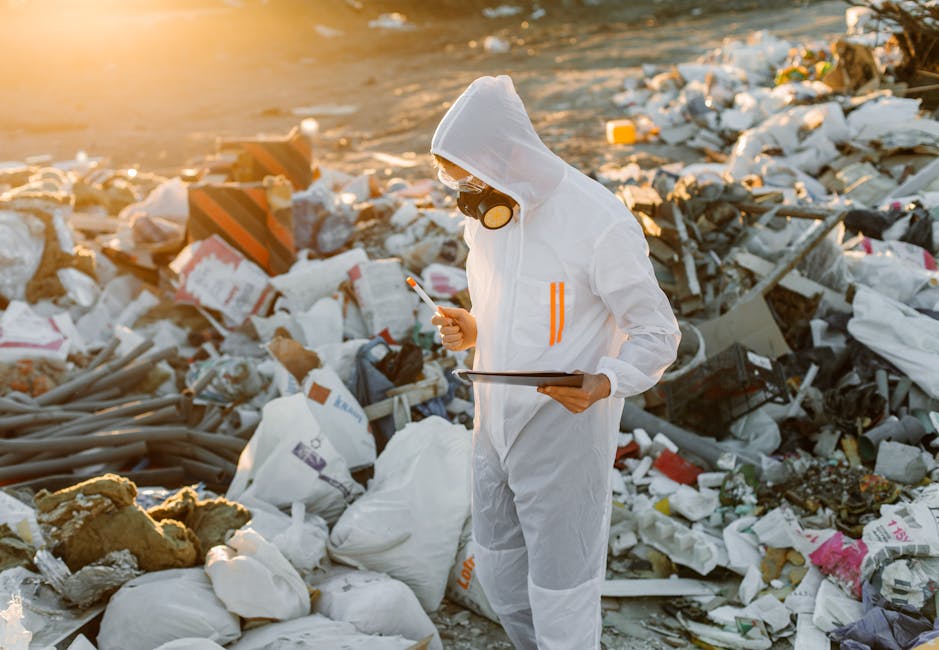
If you have found contaminated waste left in a W7 property, the first reaction is usually a mix of worry and disbelief. Fair enough. Whether it is a loft full of soiled items, a garage with mouldy rubbish, or leftover waste after tenants or builders have gone, the job needs calm handling rather than guesswork. In simple terms, What to do with contaminated waste left in W7 properties is about identifying the risk, keeping people safe, and arranging removal in a way that does not make the mess worse.
This guide walks you through the practical steps, the common mistakes, and the sensible next move if the waste is dirty, hazardous, or simply too unpleasant to tackle alone. You will also find a clear checklist, a comparison of disposal options, and a few real-world pointers from situations people run into all the time in west London homes and small premises.
Why What to do with contaminated waste left in W7 properties Matters
Contaminated waste is not just "messy waste". It can include items affected by bodily fluids, mould, pests, chemicals, asbestos-containing materials, drug-related debris, fly-tipped rubbish, or waste soaked through after a leak or flood. Sometimes it is obvious. Sometimes it is not. That uncertainty is what makes it a problem.
In W7 properties, you may be dealing with a flat clearance after a difficult tenancy, a house clearance following illness, or waste left in a garage, loft, or outbuilding where nobody has looked properly for months. The location matters because access can be tight, stairwells can be awkward, and neighbours may be close by. A wrong move can spread odour, dust, or contamination through the building. Not ideal, to say the least.
There is also a duty-of-care element. Even if the waste is "only" in a private property, it still needs to be handled safely. Mixing contaminated material with regular rubbish can expose cleaners, residents, and waste handlers to avoidable harm. That is why a careful plan beats a rushed bin-bag solution every time.
Expert summary: If the waste is contaminated, treat it as a safety issue first and a clearance issue second. Identify the risk, separate the material, and only then decide how it should be removed.
How What to do with contaminated waste left in W7 properties Works
The process usually starts with assessment. A responsible clearance provider will look at what is there, what it may have been exposed to, and whether any part of the waste needs special handling. That might mean contaminated soft furnishings, damaged cardboard, broken household items, or builders' debris mixed with something unsanitary.
From there, the waste is separated into sensible groups. Not every contaminated item needs the same treatment, and that is where people often get stuck. A soaked carpet is one thing. A cracked container with unknown residue is another. The aim is to prevent cross-contamination and make sure recyclable or non-hazardous material does not get dragged into the wrong stream.
For many W7 homes, the practical sequence looks like this:
- Make the area safe and restrict access.
- Identify obvious hazards such as needles, glass, chemicals, or damp black mould.
- Separate contaminated items from clean salvageable items.
- Package waste securely and label or isolate it where needed.
- Arrange proper removal through a suitable service.
- Clean and sanitise the space after clearance, if appropriate.
If the waste came from a property clearance, there may also be furniture, fixtures, or general household items to remove alongside the contaminated load. In those cases, services such as house clearance, flat clearance, or home clearance can be part of a wider solution, provided the contamination is properly identified first.
Key Benefits and Practical Advantages
Handling contaminated waste properly is not just about ticking boxes. There are real, practical advantages that make life easier straight away.
- Less risk to people: Proper handling reduces exposure to bacteria, sharps, mould spores, and unpleasant residues.
- Less spread of contamination: A careful removal plan stops the issue travelling into hallways, lifts, vehicles, or neighbouring rooms.
- Cleaner handover: This matters if you are preparing a property for sale, rent, probate, or refurbishment.
- Better sorting: Some items may be recoverable or recyclable if they are not actually contaminated through and through.
- Less stress: Let's face it, dealing with waste that smells, stains, or feels unsafe is draining.
There is another benefit people do not always think about: pace. Once a contaminated waste pile is assessed properly, the job often moves faster. That sounds counterintuitive, but it is true. A messy guess-and-go approach usually slows everything down.
For business or landlord situations, it can also support a more orderly process. If the property is mixed-use or tied to commercial activity, a broader business waste removal plan may be useful, especially where paperwork, furniture, and stored rubbish are all part of the same clear-out.
Who This Is For and When It Makes Sense
This guidance is useful for a wide range of people, not just landlords or professional property managers. In real life, contaminated waste turns up in all sorts of places.
- Homeowners dealing with a neglected room, garage, loft, or garden store.
- Landlords facing waste left behind after a tenancy or an eviction.
- Letting agents preparing a W7 property for the next occupant.
- Families managing a sensitive house clearance after a difficult period.
- Small businesses with contaminated office items or stored rubbish.
- Developers and tradespeople who discover contaminated debris during refurbishment.
It also makes sense when the waste is not technically hazardous, but you are not confident about handling it safely. A wet mattress with mould growth, for example, may not sound dramatic on paper, but it can be a horrible job in a real room on a damp morning. You know it when you see it, and usually smell it too.
If the issue is tied to a renovation or strip-out, you may need a service that sits alongside builders waste clearance. If the contaminated items are mainly old furniture, then furniture clearance or furniture disposal may be relevant once the contamination status is checked.
Step-by-Step Guidance
If you want the shortest practical answer to what to do, here it is: do not move it casually, do not mix it with clean waste, and do not assume the council bin will solve everything. Beyond that, follow this process.
1. Stop and assess the area
Before you touch anything, look at the scene carefully. Ask what type of contamination is present. Is it damp, biological, chemical, pest-related, or just heavily soiled? If you are unsure, treat it as higher risk until you know more.
2. Put basic safety measures in place
Open windows if it is safe to do so. Keep children, pets, and other residents away. If there are strong odours, visible mould, broken glass, or sharps, avoid leaning in close. A simple mask and gloves may be enough for minor handling, but not for everything. Sometimes the safest decision is to step back.
3. Separate waste into categories
Separate obvious non-contaminated items from contaminated items. If a box contains one wet and mouldy article, do not automatically assume the whole box is ruined. On the other hand, if contamination has spread through porous materials, be realistic. Cardboard, fabric, and soft furnishings often hold onto contamination more stubbornly than hard plastic or metal.
4. Bag, wrap, or isolate safely
Use strong sacks, liners, or wrapping to stop leakage and spread. Avoid overfilling bags. Sounds obvious, but people do it anyway. A split bag on the stairwell is the kind of nuisance that turns a bad job into a miserable one.
5. Arrange suitable removal
Choose a provider that can handle the level of contamination involved. For general contaminated household rubbish, a standard waste removal service may be appropriate if the material is accepted and can be handled safely. If you are dealing with a full property clear-out, a more complete service may be better.
6. Clean the space after removal
Once the waste is gone, inspect the area for residue, damp patches, lingering smells, or damaged surfaces. In some cases, the next step is cleaning and minor remedial work. In others, a deeper sanitisation or property repair is needed before the space is truly usable again.
Expert Tips for Better Results
There is a knack to dealing with contaminated waste efficiently, and most of it comes down to patience and sorting. A few practical tips can save you time and frustration.
- Photograph the waste before moving it. This helps if you need to brief a clearance team or explain the condition to a landlord, agent, or insurer.
- Keep "clean" salvage separate. Do not let uncontaminated books, fixtures, or personal items sit beside dirty waste for too long.
- Work from the outside in. Clear the surrounding access route first so the main removal does not become a wrestling match in a narrow corridor.
- Watch for hidden contamination. A bag may look harmless until you lift it and realise the underside is damp, stained, or leaking.
- Check lofts and corners properly. Contaminated waste often hides where it is easiest to forget: behind boxes, inside cupboards, under tarpaulins.
One thing I would say, based on ordinary real-world jobs rather than theory: people underestimate odour. By the time you notice it in the hallway, it has probably already spread a little. So if there is a strong smell, act early and keep doors closed between rooms.
If the property also contains stored rubbish in a dusty loft or cramped roof space, you may need something broader than a simple bag-and-go service. That is where loft clearance can be especially helpful, because access and containment become part of the job, not just the waste itself.
Common Mistakes to Avoid
These are the mistakes people make most often, especially when they are under pressure and want the problem gone quickly.
- Mixing contaminated waste with normal rubbish. This can spread the issue and make disposal harder.
- Using thin bags or open boxes. If the load leaks, the whole removal gets more complicated.
- Ignoring hidden hazards. Needles, broken glass, damp insulation, and chemical residue do not always shout for attention.
- Trying to "air it out" without clearing it. Fresh air helps only so much. It does not solve contamination.
- Assuming every service can handle every waste type. Not all clearance jobs are the same, and that matters.
- Forgetting follow-up cleaning. Waste removed is not always the same as the property being ready.
There is a practical reason these mistakes matter. They usually create more labour, more time, and more cost later on. Sometimes the cheapest option at the start becomes the expensive one by Friday afternoon. Happens all the time, honestly.
Tools, Resources and Recommendations
You do not need a van full of specialist equipment for every job, but a few basic items make contaminated waste handling much safer and tidier.
- Heavy-duty sacks or rubble bags
- Disposable gloves
- Suitable face covering where dust, mould, or odour is present
- Strong tape and wrapping materials
- Bins or tubs for separating sharp or breakable items
- Cleaning cloths, absorbent material, and disinfectant for the post-clearance phase
It also helps to have a calm, staged approach rather than trying to do the whole property in one pass. If you are clearing a large home, a cluttered garage, and a damp garden store all at once, the job can get muddled fast. A structured service such as garage clearance or garden clearance may be the cleaner way to handle those parts separately.
For customers who care about what happens after collection, it is worth looking at a provider's recycling and sustainability approach. Not everything contaminated can be recycled, of course, but sensible sorting still matters. And if you want to understand how a company works more broadly, its about us page and health and safety policy can give useful reassurance.
Law, Compliance, Standards, or Best Practice
With contaminated waste, the safest route is to follow recognised UK waste-handling practice and the duty-of-care principle: waste should be stored, moved, and disposed of without creating avoidable risk to people or the environment. You do not need to become a legal expert to do that well, but you do need to avoid casual disposal.
In plain English, that means:
- Do not dump contaminated waste in general household bins unless you are sure it is acceptable.
- Do not burn unknown waste or contaminated soft furnishings.
- Do not transport sharp, wet, or leaking materials without proper containment.
- Do not let a property clearance create a secondary contamination problem in communal areas or vehicles.
If the waste may involve hazardous material, unknown chemicals, medical residue, asbestos, or needles, stop and get specialist advice from a suitable professional. That is not being overcautious. That is good sense. The right decision here is usually the boring one, which is reassuring in its own way.
For businesses, landlords, and managing agents, keeping records, photographs, and a clear handover note can be part of good practice. If you are comparing providers, their insurance and safety information, terms and conditions, and pricing and quotes details are worth reading before you book.
Options, Methods, or Comparison Table
Not every contaminated waste situation needs the same solution. Here is a simple comparison to help you decide what is sensible.
| Option | Best for | Pros | Limitations |
|---|---|---|---|
| DIY handling | Very small, low-risk contamination | Quick if the issue is minor; low immediate cost | Higher personal risk; easy to spread contamination; not suitable for unknown hazards |
| General waste removal | Contaminated but manageable household waste | Convenient; helps with loading and transport | Only suitable where the waste type can be accepted safely |
| Full property clearance | Mixed waste in a house, flat, loft, or garage | Good for larger jobs; keeps the process organised | Needs clear scope and careful sorting |
| Specialist hazardous route | Unknown chemicals, sharps, asbestos, or serious contamination | Safer and more appropriate for higher-risk loads | Usually more involved and may require separate handling |
As a rule of thumb, if you are hesitating because the waste "looks a bit nasty" but could actually be more serious, do not downgrade the risk just to save time. That is the wrong direction to go.
Case Study or Real-World Example
Here is a realistic example from the kind of situation people in W7 often face.
A landlord discovers that a two-bedroom flat has been left with bags of rubbish in the kitchen, a damp mattress in the bedroom, and mouldy cardboard stacked in the hallway after a difficult tenancy. Nothing is visibly dangerous at first glance, but the smell is strong and the hallway carpet feels slightly damp underfoot. There are also some old furniture pieces that might still be usable, but only if they have not absorbed the contamination.
The sensible response is not to start dragging everything into the communal corridor. First, the risky items are separated. The mattress and saturated cardboard are treated as contaminated waste. Salvageable furniture is checked one item at a time. Access routes are cleared so there is no mess in shared spaces. Then the property is emptied in stages, rather than all at once, which keeps the job orderly and reduces the chance of cross-contamination.
What made the difference here? Three things: quick assessment, proper separation, and not trying to be heroic. Truth be told, most bad clearance jobs get worse because someone wanted to "just get it done" on the first pass. A steady approach is better. Usually much better.
Practical Checklist
Use this checklist before moving contaminated waste in a W7 property.
- Have I identified the likely contamination type?
- Have I kept children, pets, and other residents away?
- Have I checked for sharps, glass, or chemical containers?
- Have I separated clean items from contaminated ones?
- Have I used strong containment materials?
- Have I avoided mixing contaminated waste with general rubbish?
- Have I chosen the right removal method for the risk level?
- Have I planned for after-clearance cleaning or sanitising?
- Have I checked whether the job needs a broader property clearance?
- Have I kept notes or photos in case I need them later?
And one more, because it matters: Am I trying to solve a problem that is actually bigger than a DIY clear-up? If yes, pause and reassess. No shame in that.
Get a free quote today and see how much you can save.
Conclusion
Contaminated waste left in a W7 property needs a careful, practical response. Start by identifying the risk, keep the area safe, separate contaminated material from clean items, and arrange removal through the right route. That approach protects people, reduces mess, and makes the whole job feel far more manageable.
If the property is already in a difficult state, do not worry about doing everything perfectly. Focus on safe first steps. Once the contamination is under control, the rest of the clearance becomes a lot more straightforward. Small progress counts here, honestly it does.
When handled properly, even a grim clearance can end with a clean, calm room and a proper fresh start. That is usually the goal, and a good one at that.
Frequently Asked Questions
What counts as contaminated waste in a property?
Contaminated waste can include items affected by mould, bodily fluids, pests, chemicals, damp, sewage, or other substances that make them unsafe or unpleasant to handle as ordinary rubbish.
Can I put contaminated waste in my normal bins?
Not always. It depends on the type of contamination and what local disposal routes accept. If the waste may be hazardous, leaking, or sharp, it should not be treated like everyday household rubbish.
Is contaminated waste the same as hazardous waste?
Not exactly. Some contaminated waste is hazardous, but not all of it is. The key question is whether the material poses a health, safety, or environmental risk and how it needs to be handled.
What should I do first if I find contaminated waste in a W7 flat or house?
Stop moving it, keep others away, check for immediate dangers such as sharps or leaks, and decide whether the waste needs to be isolated before any clearance starts.
Can contaminated furniture be removed?
Yes, but only if it is assessed properly. Some furniture can be removed as part of a wider furniture clearance or furniture disposal job, while badly affected items may need special handling.
How do I know if mouldy items are safe to touch?
If an item is visibly mouldy, smells strongly, or has been damp for some time, it is safer to assume it should be handled cautiously. Soft furnishings and porous items are usually the biggest concern.
Do landlords have to clear waste left by tenants?
In practice, landlords often arrange the clearance so the property can be made safe and ready again. The exact responsibilities can vary, so it is sensible to keep records and act promptly.
What if the waste includes needles or unknown chemicals?
Do not handle it casually. Sharps and unknown chemicals need a more careful approach, and in many cases specialist advice is the right next step.
Is it better to clear contaminated waste myself or hire help?
For very small, low-risk situations, some people manage it themselves. For anything larger, smellier, leaking, or uncertain, professional help is usually safer and less stressful.
Will contaminated waste always need a full property clearance?
No. Sometimes only one room, a loft corner, a garage section, or a single load needs attention. Other times the contamination is mixed with general clutter, and a broader clearance makes more sense.
How do I prepare a property before a clearance team arrives?
Keep access clear, separate anything obviously clean and worth saving, photograph the main problem areas, and make sure someone can explain what is contaminated and what is not. A few minutes spent here can save a lot later.
What happens after contaminated waste is removed?
Usually the area is checked for residue, damp, lingering odour, or any remaining waste. Sometimes cleaning or light remedial work is enough. In other cases, more detailed sanitising may be needed before the space is comfortable again.
How can I choose a trustworthy clearance company?
Look for clear safety information, sensible terms, transparent pricing, and a straightforward process. Pages like insurance and safety, terms and conditions, and complaints procedure can help you judge how seriously a company takes the job.
What if I am not sure whether the waste is actually contaminated?
If you are unsure, treat it cautiously until you know more. That one decision often prevents a minor issue from becoming a bigger, messier one. Better safe than sorry, as people say for a reason.