Office Clearance in Hanwell

Office Clearance Hanwell provides a focused service for clearing desks, chairs, filing, partitions, storage units and mixed workplace contents from premises in and around Hanwell. The work is suited to businesses that need areas emptied in a planned, orderly way, whether the office is being reconfigured, reduced in size, or prepared for handover. Our approach is built around clear sorting, careful lifting and sensible handling of reusable and recyclable items, so the clearance can support the next stage of the property without unnecessary disruption.
Commercial clearances often involve more than just moving furniture. They can include paper records, obsolete IT peripherals, shelving, reception fittings, kitchen items and general contents that have built up over time. A good clearance plan keeps the job organised from the outset, with attention to access routes, item grouping and any pieces that need separate handling. If you are comparing options, start by asking for a written quotation and a clear explanation of how the work would be carried out.
We can help with straightforward office strip-outs as well as more varied clearances where different types of items need to be managed in one visit. Our service is designed to be practical and methodical, with enough flexibility to suit smaller workspaces, shared offices and larger premises with multiple rooms. Where items can be reused, recycled or otherwise separated, that is typically built into the plan so the clearance supports a tidier finish and a more efficient next step for the site.
What an office clearance can cover
An office clearance usually starts with identifying the items that will stay and the items that need to go. That distinction sounds simple, but in practice it helps when a room contains current equipment, archived material, surplus furniture and old storage all in the same space. We can clear individual rooms, entire floors or selected items only, depending on what the site needs. A well-managed job keeps usable circulation space open while the clearance is taking place.
Many customers want the work completed in a way that feels controlled rather than rushed. That means separating bulky items from smaller contents, taking care around walls and floors, and avoiding unnecessary disturbance to neighbouring rooms. It also means recognising that some offices contain a mix of standard furniture and more delicate pieces such as screens, pedestals or lightweight fittings. Office clearance is most effective when the plan reflects the actual layout and contents, not just a general assumption about office furniture.
Before the job begins, it helps to decide whether the clearance is intended to leave the room empty, partly emptied, or ready for follow-on work such as decorating or refitting. That decision affects the sequence of tasks and the level of sorting needed. If you want a broader view of related work, a general waste removal page can be useful for understanding how mixed material is usually handled alongside furniture and other contents.
Furniture, fittings and mixed contents
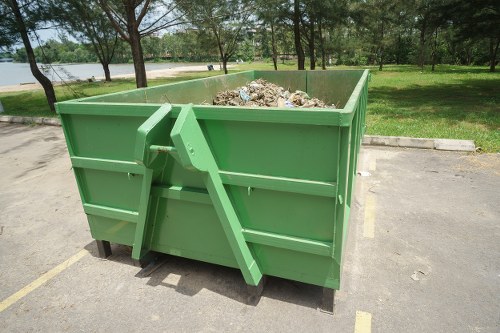
Office furniture often forms the core of the job. Desks, meeting tables, office chairs, filing cabinets, cupboards and shelving units can all need to be moved in a controlled order, especially where items are large or awkwardly positioned. Some pieces may be dismantled if that is the sensible way to remove them, while others are best taken out intact. The aim is to keep the process efficient while protecting the building and leaving a clearer working environment behind.
Not every office contains only conventional furniture. Many premises also include reception fittings, breakout furniture, display items, small appliances and storage full of assorted contents. In those situations, the clearance needs to deal with both the visible bulk and the smaller items that are tucked away in drawers or cupboards. If you are thinking about wider furniture disposal rather than a full office emptying, furniture disposal is a relevant related page for understanding that narrower type of work.
Where items are still in usable condition, they may need a different route from damaged or obsolete pieces. A sensible clearance service takes that distinction seriously, because it affects loading, sorting and the overall handling plan. The same is true for mixed contents: a room containing storage boxes, loose office supplies and broken furniture needs a different approach from a simple line of desks. The clearer the item categories, the easier it is to carry out the work in an orderly way.
Planning access and preparing the site
A well-run office clearance depends on practical planning. Before work starts, it is worth confirming access points, lift use if relevant, parking arrangements and which rooms or floors are included. That information helps the clearance proceed without avoidable delays and makes it easier to schedule around other people using the building. If there are items that must remain in place, marking them clearly reduces the chance of confusion once the removal begins.
It is also useful to think about how the contents are distributed. Some offices have one main storage room, while others keep surplus items in corners, cupboards and archive areas across the whole site. A brief walkthrough or item summary can make the quotation more accurate and can also highlight awkward pieces that may need special handling. Pricing and quotes information is helpful when you want to understand how scope, access and item types can shape the final figure.
For a customer, the main preparation task is usually to identify what should stay, what should go and whether any items need separating before the team arrives. That keeps the clearance focused and reduces the chance of miscommunication. Where the office contains confidential or sensitive material, those items should be removed or secured in advance according to your own procedures. Clear instructions are often more useful than a long checklist, especially when the premises contain mixed contents.
Handling specialist office items carefully

Some office clearances involve more than standard desks and chairs. IT equipment, monitor stands, printers, conference units, storage systems and modular office fittings may all appear in the same job. Each category benefits from a measured approach, because these items vary in size, weight and fragility. A careful clearance reduces the chance of damage during movement and helps separate materials that may need different treatment once removed from the room.
Where an office has become cluttered over time, the clearance may include a broad range of items that no longer serve a day-to-day function. That can make the work feel more complex, but it also makes a systematic approach more valuable. Sorting by type and condition is often the simplest way to keep the task organised, whether the job involves a single suite or several interconnected rooms. In some cases, the right sequence is to clear the smaller contents first and then remove the larger pieces once space is available.
For premises that have a lot of furniture alongside general workplace waste, it may help to view the job as part of a wider property tidy-up. Our related business waste removal page describes a more general commercial service, while office clearance stays focused on contents and fittings that need to be removed from the working environment. Choosing the right scope from the start is one of the easiest ways to keep the project manageable.
Handover, refurbishment and end-of-lease clearances
Office clearances are often tied to a move, refurbishment or lease-end process, and each of those situations has its own priorities. A handover clearance may need the space emptied to a particular standard, while a refurbishment clearance may be aimed at removing only selected items before other trades begin. The work should be arranged so that it fits the timing of the wider project, rather than forcing the rest of the schedule to adjust around the clearance.
In offices with partitions, built-in storage or fitted areas, the right sequence matters. Large items may need to come out before smaller components can be accessed safely, and rooms may need to be cleared in stages if the layout is tight. If you are dealing with a broader property rather than a single workroom, home clearance and other general clearance pages can help show how different types of premises require different planning, even when the basic principles of sorting and removal are similar.
It is sensible to decide early whether the job includes only loose contents or also fixtures and fittings that are part of the workspace. That distinction can affect the quotation and the practical method used on site. For end-of-lease work in particular, it helps to set out the expected finish clearly, because that gives everyone involved a better understanding of what the clearance should leave behind. A precise brief saves time later.
Recycling, re-use and disposal choices

A good office clearance should consider what happens to the removed items after they leave the site. Furniture, metal components, hard plastics and mixed office contents may each follow a different path depending on their condition and material type. Where pieces can be reused or broken down for recycling, that can influence how they are grouped and loaded. It is a practical part of the process rather than an optional extra.
This matters because commercial premises often contain a broad mixture of materials. A single clearance might produce recyclable metal frames, wooden desks, upholstered seating, cardboard packaging, archive material and general mixed waste. The best approach is to keep those categories distinct enough that the handling remains organised. If you want to read more about environmental handling in general, recycling and sustainability provides a useful related overview of that side of the service.
There can also be items that are simply no longer suitable for continued use, whether because they are worn, damaged or out of date. Those pieces still need to be dealt with properly, but they do not require the same path as reusable furniture. A clear plan for disposal helps avoid confusion and supports a more efficient clearance overall. It also gives customers a more realistic picture of the work involved from the outset.
Office contents, storage and archive areas
Many offices hold more than visible furniture. Cupboards, archive rooms and back-office storage can contain files, supplies, stationery, boxed equipment and older items that have built up over several years. These spaces often take longer to clear than a simple open-plan area because the contents are varied and frequently stacked or boxed in layers. A careful service looks at the storage as part of the overall clearance, not as an afterthought.
When storage areas are included, there is usually a decision to make about how much sorting should happen on site. Some customers want items removed as a group, while others prefer a closer separation of furniture, recyclables and general contents. Flat clearance may sound like a different kind of service, but it illustrates the same principle: the layout and contents determine the pace and method of the job. The more varied the storage, the more important the sequence becomes.
Archive and storage areas can also be awkward simply because of access. Narrow aisles, low shelving and stacked boxes all affect how the work is approached. In those situations, a measured clearance is often better than trying to move everything at once. The result is usually neater and safer, with fewer interruptions to the rest of the premises and a more controlled finish in the cleared rooms.
Pricing factors and quotation details
Office clearance pricing is usually influenced by the quantity and type of items, access to the premises, the number of rooms involved and any special handling needed for bulkier contents. A site with easy access and straightforward furniture is generally simpler to assess than one with multiple floors, shared corridors or a wide variety of mixed contents. A quotation should reflect the actual task rather than rely on a rough guess.
It helps when the quotation request includes enough detail to describe the premises properly. That might mean the approximate room count, the main item types, whether there are storage areas, and whether the clearance is part of a move, a refurbishment or a final handover. Two short practical steps are usually enough: note what is staying, and note what is leaving. If you already have a defined budget or timeframe, say so clearly when making the enquiry.
For customers comparing options, a useful quotation is one that explains scope clearly. It should make plain what is covered, how the work will be approached and whether the job is for a full clearance or a targeted removal. If the property also contains large domestic-style furniture, a related furniture clearance page can help distinguish that narrower service from a broader office project. Clear scope often makes for clearer pricing.
About Hanwell

Hanwell is a district in the London Borough of Ealing, in west London, with a history shaped by its position along routes between the capital and the west of England. The area developed from a rural settlement into a suburban district as transport links improved, particularly during the nineteenth century. Its character today combines residential streets, local shopping areas and stretches of open space, with the Grand Union Canal passing close by and adding a quieter corridor through the wider landscape. The canal is one of the features that gives the area a distinct sense of movement and heritage, linking industrial history with present-day leisure use. Green spaces are part of that identity too, including Elthorne Park and Brent Lodge Park, both of which provide local recreation and a more open counterpoint to the built-up streets nearby. Hanwell also has architectural and historical points of interest that reflect different periods of growth. St Mary’s Church is widely noted for its setting and its long history, while the area’s Victorian and Edwardian housing stock shows the suburban expansion that took place as west London became more closely connected to the railway network. The locality also has a well-known relationship with transport history through Hanwell station and the broader railway corridor that encouraged development along the line. The result is a place where older structures, later residential streets and everyday local activity sit alongside waterways, parks and pockets of heritage, giving Hanwell a layered and recognisable identity within the wider borough.
Clearance for different office sizes and layouts
Offices are not all arranged in the same way, so the most practical clearance method depends on the layout. Some premises have open-plan areas with a small number of large items, while others are made up of several rooms, meeting spaces and storage cupboards. A compact suite may be cleared quite differently from a multi-room workplace with mixed furniture and filing. Good planning respects those differences and keeps the work proportionate to the site.
Where access is tight, the sequence matters even more. Larger desks or cabinets may need to be removed before smaller items can be reached safely, and shared spaces may require the work to be broken into manageable stages. If you are considering other types of premises alongside office work, garage clearance shows how a location with awkward access can demand a different rhythm even when the underlying aim is still organised removal. The same practical thinking applies to many clearance jobs.
Customers sometimes ask whether an office clearance can be limited to one department, one floor or one type of item. The answer is often yes, provided the scope is clear. That flexibility is useful when a business is staying in part of a building but no longer needs certain areas. It also means the work can be tailored to fit a move, a renovation or a gradual reduction in space without making the whole property part of the job.
Making an enquiry and arranging the work
A clear enquiry makes it easier to produce a useful quotation and plan the clearance properly. A short description of the premises, the kinds of items involved and the intended finish is usually enough to begin with. If the office includes furniture, storage, archive contents or any awkward access points, mention those early so the scope can be assessed accurately. One or two photographs can help, but they work best as part of a brief written summary rather than as a replacement for it.
When the job is more substantial, it can also help to say whether the clearance needs to happen in a single visit or be divided into stages. That is especially relevant where the office remains partly in use while certain rooms are being emptied. Contact us when you are ready to discuss the work, and ask for a quotation that reflects the actual contents and access conditions rather than a general estimate. A concise brief is usually the fastest route to a practical plan.
If you want a starting point before you enquire, think in terms of three simple details: what the space is, what needs removing, and what the finished result should be. That is enough to begin a sensible conversation about the job. For office clearance in Hanwell, the goal is a straightforward service, clearly scoped and properly arranged, so you can move on to the next stage of the property with less hassle and a tidier space.